
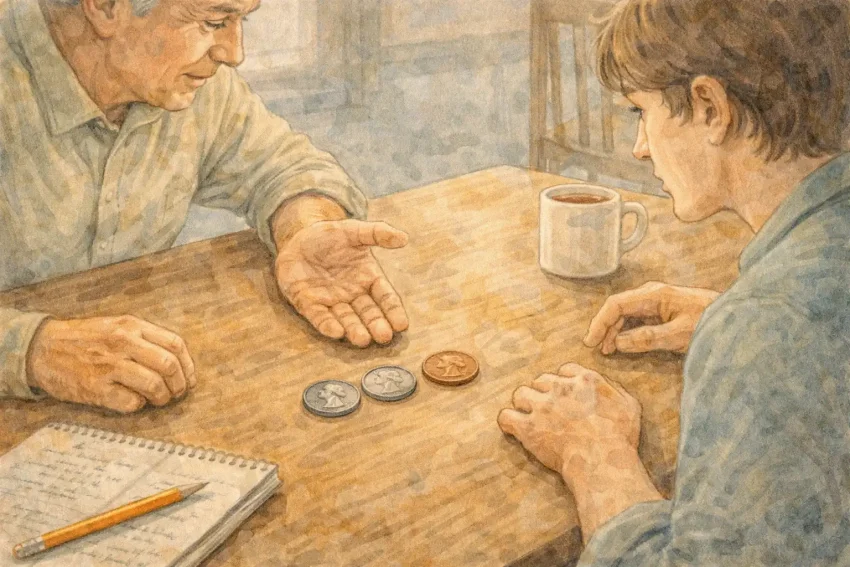
U.S. wartime coinage reflects urgency. Materials were scarce. Output had to remain high. Design choices followed policy, not aesthetics. For collectors, that pressure created a short run of coins where metal composition, mint practices, and iconic errors like the 1944 penny matter more than dates alone. World War II sits at the center of this story.
From 1941 to 1945, the Mint altered metals to support manufacturing and the military. Copper, nickel, and tin were redirected to weapons and vehicles. Coinage adapted fast. The results are easy to recognize, widely available, and rich in historical context—ideal conditions for thematic collecting.
What Defines Wartime U.S. Coinage
A coin qualifies as a wartime issue when production changed because of conflict. Those changes fall into clear categories:
- Metal substitutions to conserve strategic materials
- Mintmark and design adjustments for tracking alloys
- Higher error rates from accelerated production
Coins that merely share the same years without these traits rarely show sustained premiums.
1943 Steel Cents: The Copper Shortage Solution
The most visible wartime change arrived in 1943. Copper was removed from cents and replaced with zinc-coated steel. Philadelphia, Denver, and San Francisco produced roughly 1.1 billion pieces to keep small change flowing.
Key identifiers are straightforward:
- Weight: about 2.7 grams
- Magnetism: steel attracts immediately
- Color: gray with zinc wear over time
Circulated examples remain inexpensive. In Very Fine condition, prices often sit in the $1–10 range. Mint State coins bring more, usually $10–30 in MS-65.
The market changed completely with 1943 bronze cents. These resulted from leftover copper planchets during the transition. Fewer than a few dozen are confirmed across all mints. Certified examples of this coin worth money trade in the six-figure to seven-figure range, driven by rarity and documentation.
Why Steel Cents Matter to Collectors
Steel cents combine three advantages:
- Clear historical purpose
- Easy authentication through magnetism
- A dramatic contrast between common types and legendary errors
They anchor wartime sets without requiring large budgets, while still leaving room for high-end goals.
Silver War Nickels and the Mechanics of Wartime Production
After cents, the next major wartime adjustment hit the five-cent coin. Nickel was critical for armor, engines, and plating. By late 1942, the Mint needed a substitute that preserved size, weight, and function—especially for vending machines used in factories and transit systems.
The Birth of the Silver War Nickel (1942–1945)
Congress approved a new alloy for Jefferson nickels: 56% copper, 35% silver, and 9% manganese. This blend conserved nickel while keeping the coin’s physical properties stable. To distinguish the alloy, the Mint introduced large mint marks above Monticello, the first time Philadelphia ever used a “P” on U.S. coinage.
Production totals were substantial:
- Total output: about 870 million coins
- Mints: Philadelphia (P), Denver (D), San Francisco (S)
- Weight: unchanged at 5.0 grams
These coins circulated seamlessly, which was the goal. From a collecting standpoint, the design choice created one of the easiest wartime identifiers in U.S. numismatics, and a coin app can easily prove it for you.
Collector Appeal and Market Behavior
War nickels sit at a practical intersection of history and value.
Common traits that support demand:
- Silver content establishes a value floor
- Large mint marks make identification instant
- Wide availability supports set building
Circulated examples often trade close to melt, typically a few dollars. Mint State coins show more spread:
- MS-65: roughly $10–40
- MS-66 to MS-67: $50–200+ depending on strike
- Full Steps designation: premiums rise sharply
The standout variety is the 1942-P proof, struck in limited numbers during the transition year. With fewer than 30,000 made, these proofs often sell in the $50–200 range, higher with strong contrast.
Production Experiments and Practical Constraints
Wartime coinage involved trial and error. Before settling on steel for cents, the Mint tested alternative materials such as plastic, glass, and fiber-based compounds. None proved durable enough for circulation.
For nickels, weight consistency mattered more than metal value. Vending compatibility took priority. That decision explains why war nickels feel ordinary in hand despite their silver content.
Returning to Bronze: 1944–1946 Cents
By 1944, copper supplies stabilized. The Mint returned cents to a bronze composition, using recycled spent shell casings in part. These cents restored familiar color and handling while closing the steel chapter.
Collectors often include these “shell casing cents” as contextual pieces rather than rarities. In Mint State with red color, values usually range from $5 to $20, reinforcing their role as historical markers rather than key dates.
Building Wartime Sets with Precision, Not Volume
Wartime U.S. coins reward intent. Collectors who chase quantity end up with duplicates and little insight. Collectors who chase production shifts and verification build sets that hold meaning and value. The difference comes from process.
A Practical Framework for Wartime Collecting
Start with coins that clearly reflect wartime decisions. These form the backbone of any set.
Core targets:
- 1943 steel cents in solid circulated to low mint-state grades
- 1942–1945 silver war nickels from all three mints
- 1944–1946 bronze cents as post-shortage context pieces
This group delivers a complete narrative without high cost.
Next, add focus pieces:
- Full Steps war nickels
- High-grade steel cents without corrosion
- One verified variety or proof issue
High-dollar errors remain optional, not required.
Verification Comes First
Wartime coins attract mislabeling. Simple tests prevent most mistakes.
Use these checks consistently:
- Magnet test: confirms steel cents instantly
- Edge inspection: silver war nickels show a light silver band
- Weight and diameter: flag off-metal candidates
- Surface review: original flow lines beat plated finishes
For major errors and high-grade pieces, third-party certification remains essential. PCGS and NGC holders establish authenticity and liquidity.
Using Digital Tools to Triage Finds
Estate jars and mixed lots still produce results, but sorting them manually is slow. Tools like the Coin ID Scanner app help streamline the first pass. A single photo on Android or iOS returns a coin card with year of minting, coin type, composition, diameter, weight, edge details, and an indicative price from a database exceeding 187,000 coins—useful for confirming wartime alloys and isolating candidates worth deeper inspection.
As a collection grows, built-in collection management keeps wartime themes organized. Premium smart filters and the AI Helper support comparisons across years and alloys without replacing hands-on verification.
Budgeting with Purpose
A disciplined wartime set stays affordable.
Typical allocation:
- $50–100 for steel cents across grades
- $100–200 for silver war nickels with one higher-grade example
- $50–100 for post-war bronze context pieces
This approach keeps total spend controlled while leaving room for a single standout coin later.
Wartime U.S. coin production created coins shaped by necessity. That necessity left clear markers—metal changes, mintmarks, and errors—that collectors can still study today. Focus on those markers. Verify before buying. Build sets that explain history rather than chase headlines.